


You buy a nutrition shake because it feels like the responsible choice. Mornings are rushed, lunch gets pushed back, and a bottle or blender cup seems easier than figuring out a full meal. Then a small worry creeps in. Is this actually good for your teeth, or am I sipping on something that quietly causes damage every day? If you are concerned, a visit to a Plymouth dental office may help you understand how these drinks affect your oral health.
That concern makes sense. A shake can help with convenience, protein, calories, or meal balance, but your mouth deals with the ingredients first. Sugar, acidity, sticky textures, and how often you sip all affect enamel and cavities. The short version is simple. A daily shake is not automatically bad, but the wrong formula and the wrong habits can raise your risk for decay and erosion. A family dentist can help you spot those risks before they turn into sensitivity, staining, or fillings.
Daily nutrition shakes can affect your enamel and cavity risk
The first question to ask is what is actually in the shake. Many products marketed as healthy still contain added sugars, syrups, fruit concentrates, or sweeteners that leave residue on teeth. The CDC explains that sugar sweetened beverages are a major source of added sugars, and that matters because oral bacteria feed on sugar and produce acid.
That acid starts a process you cannot see at first. Minerals leave the enamel, the tooth surface weakens, and repeated exposure pushes you closer to cavities. The National Institute of Dental and Craniofacial Research outlines the tooth decay process in a way that makes this easy to picture. It is not one sugary drink that usually creates the problem. It is the daily pattern.
If you sip a shake over two hours at your desk, your teeth do not get much of a break. If the shake is thick, sweet, and slightly acidic, you are giving bacteria fuel and enamel stress at the same time. That is one of the biggest issues with a dental nutrition shake routine. The product may look balanced on the label, but your teeth experience it as repeated exposure.
Acid content matters as much as sugar in a meal replacement shake
Some people focus only on grams of sugar and miss the other half of the problem. Acidity wears down enamel even without a huge sugar load. The American Dental Association notes that dental erosion can come from frequent contact with acidic foods and drinks. Many shakes include citrus ingredients, flavor additives, vitamin blends, or protein sources that lower pH.
You may notice this as a dull ache with cold water, rough edges on front teeth, or a sense that your teeth look less glossy than they used to. That is the kind of slow change people miss until it becomes expensive. If you already grind your teeth, have dry mouth, or drink coffee throughout the day, a daily shake can add one more layer of wear.
A good question to ask your dentist is whether your mouth already shows early erosion or demineralization. If it does, even a low sugar shake may need to be changed. This is why questions to ask before drinking nutrition shakes daily should include more than calories and protein.
Your routine changes the dental impact more than you think
The same shake can affect two people very differently. One person drinks it with breakfast, finishes it in ten minutes, rinses with water, and moves on. Another takes small sips from 9 a.m. to noon, then brushes right away because the mouth feels coated. The second routine is harder on teeth.
Brushing right after an acidic drink can scrub softened enamel. Waiting about 30 minutes is usually kinder to the tooth surface. Using a straw can reduce contact with teeth. Drinking the shake with a meal instead of as a long standalone snack can also help. These are small choices, but they add up over months.
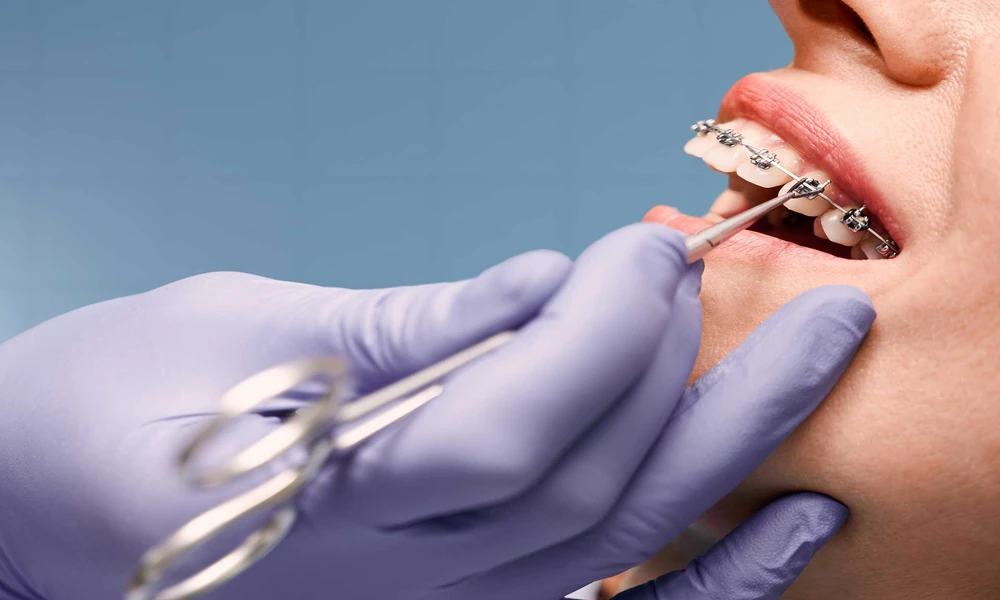
If you have crowns, veneers, braces, exposed roots, or a history of cavities, a daily shake and oral health plan deserves extra attention. People often assume a smoothie or meal replacement is gentler than soda, but the mouth responds to chemistry and frequency, not marketing.
Comparing common nutrition shake habits and dental effects
| Shake Habit | Likely Dental Effect | Better Option |
|---|---|---|
| Sipping slowly over 1 to 3 hours | Long acid and sugar exposure, higher cavity risk | Finish it in one sitting |
| Choosing high sugar or syrup based shakes | Feeds bacteria that cause decay | Pick lower added sugar formulas |
| Drinking acidic fruit based blends every day | More enamel erosion and sensitivity | Alternate with less acidic options |
| Brushing immediately after finishing | Can wear softened enamel | Rinse with water and wait before brushing |
| Using shakes as frequent snacks | Repeated attacks on enamel | Have shakes with meals when possible |
Three steps to protect your teeth before a shake becomes a daily habit
Read the label like your teeth matter. Check added sugar, acidic ingredients, and sticky sweeteners. A shake that supports fitness goals can still be rough on enamel. If the label looks more like dessert than food, your mouth will notice.
Change the way you drink it. Use a straw, finish it in one sitting, and rinse with plain water after. Do not brush right away if the drink is acidic. That one timing change can reduce wear.
Ask your dentist for a personalized risk check. Bring the brand or ingredient list to your next visit. Ask whether you show signs of enamel erosion, dry mouth, recession, or early decay. A family dentist can tell you if your current routine is low risk or if small adjustments could save you from future treatment.
Smart nutrition habits should also protect your smile
You do not need to give up convenience to protect your teeth. You just need clear answers before a daily habit turns into a dental problem. The right shake, used the right way, may fit into your routine without causing harm. If you already have sensitivity, frequent cavities, or questions about a meal replacement habit, schedule a visit with a family dentist and get specific guidance for your smile.