


Chemotherapy takes a lot out of the body, and food is one of the main ways to help it keep up. But between nausea, taste changes, low appetite, and mouth sores, actually eating well during treatment isn’t always simple. This guide covers what to eat during chemotherapy, how to manage the most common side effects through diet, and what to eat once treatment is behind you.
Why Nutrition Matters So Much During Chemotherapy
Chemotherapy targets fast-growing cells, which includes cancer cells, but also some healthy ones, like those lining the digestive tract. This is part of why appetite, taste, and digestion are so often affected during treatment. At the same time, the body’s need for energy, protein, and nutrients doesn’t go down, if anything, it goes up, since your body is working to repair tissue and maintain strength through treatment. Eating well during chemotherapy isn’t about a “perfect” diet, it’s about giving your body what it needs to get through treatment as well as possible.
Best Foods to Eat During Chemotherapy
Protein-Rich Foods
Protein helps maintain muscle mass, repair tissue, and support healing, all of which matter more than usual during chemotherapy.
Good options include:
- Eggs
- Chicken
- Fish
- Dairy
- Beans
- Lentils
- Tofu
- Nut butters
- Protein-rich soups or smoothies
Even small portions, spread across the day, add up.
High-Calorie, Nutrient-Dense Foods
When appetite is low, every bite needs to count more.
These include:
- Cheese
- Yogurt
- Nut butter
- Olive oil
- Avocado
- Milk
Adding these to meals and snacks can boost calories and nutrients without requiring you to eat more volume.
Plant-Based Foods
These offer high levels of vitamins and minerals alongside protein, making them a strong foundation for a chemotherapy diet:
- Vegetables
- Beans and legumes
- Nuts and seeds
Small, Frequent Meals
Five to six small meals a day, rather than three large ones, can help manage nausea and make eating feel less overwhelming, especially since an empty stomach can make nausea worse.
Eating Around Common Chemotherapy Side Effects
For Nausea
Bland, low-fat foods tend to work best, think crackers, dry toast, rice, bananas, or plain potatoes. Cool or room-temperature foods are often easier to tolerate than hot foods, since they have less smell. Sipping ginger tea has also been found to help settle the stomach for some patients.
For Taste Changes
It’s common for chemotherapy to affect how food tastes, sometimes making meat taste metallic or bitter. Marinating foods, using herbs and tart flavours like lemon or lime, and trying plant-based proteins like tofu, eggs, or beans instead of red meat can help.
For Mouth Sores
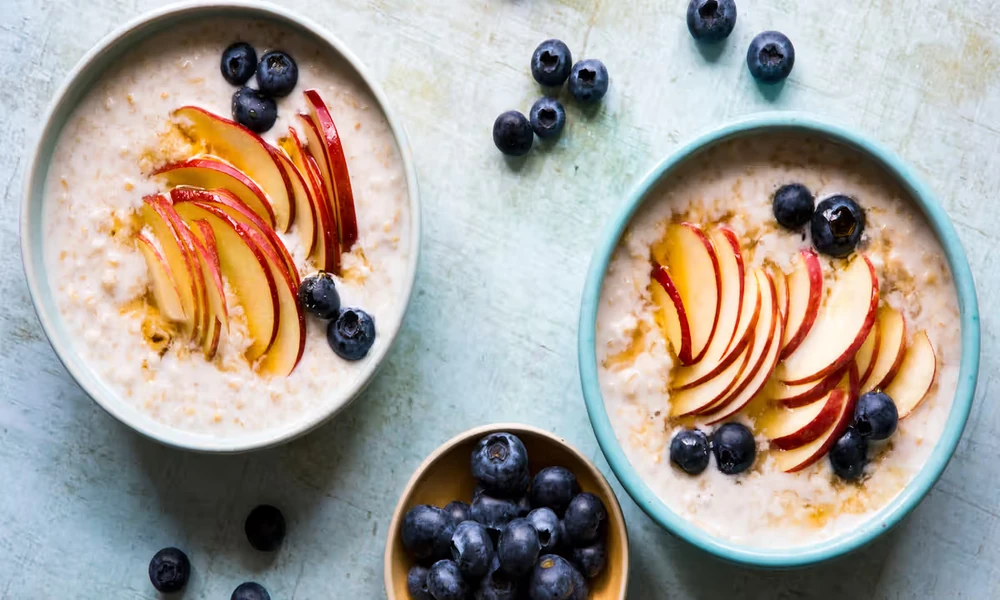
Soft, moist foods like oatmeal, scrambled eggs, mashed potatoes, and smoothies are gentler on a sore mouth than dry, crunchy, spicy, or acidic foods. Adding sauces, gravies, or broths can also make meals easier to get through.
For Low Appetite
Eating by the clock, rather than waiting to feel hungry, can help you stay on top of your nutrition even when appetite is low. Keeping easy, high-calorie snacks on hand, and limiting drinks right before meals so they don’t fill you up, can also make a difference.
If managing side effects through diet alone feels like a lot to navigate on top of treatment, know that support exists beyond nutrition too. Cancer Healer Therapy (CAM) is designed to work alongside your chemotherapy, helping support your immune system and overall wellbeing throughout treatment.
What to Eat After Chemotherapy
Once active treatment ends, the focus often shifts from “getting through” meals to rebuilding strength. A balanced diet with a mix of lean proteins, whole grains, fruits, vegetables, and healthy fats supports recovery and helps the body regain energy. Appetite and taste often take some time to return to normal, so continuing with smaller, more frequent meals in the weeks after treatment ends is common, and completely normal.
A Few Important Notes
- Nutritional needs are individual
They depend on your cancer type, treatment plan, side effects, and overall health, there’s no single “right” diet during chemotherapy that works for everyone. - Food safety still matters
Chemotherapy can weaken the immune system, so alongside eating well, food handling and hygiene remain important throughout treatment. - A dietitian can help
If eating is a persistent struggle, ask your oncology team for a referral to an oncology dietitian, this is a normal, valuable part of cancer care, not an extra step.
A chemotherapy diet is one part of a much bigger picture. At Cancer Healer Center, Cancer Healer Therapy (CAM) works alongside your oncologist’s treatment plan, never instead of it, supporting your body through chemotherapy so you’re better equipped to handle it, day by day. Book a Consultation to speak with our team today.
Disclaimer:
This article is intended for general informational purposes and does not replace professional medical or dietary advice. Nutritional needs vary significantly by cancer type, treatment, and individual health history. Please consult your oncologist or a registered dietitian before making changes to your diet during chemotherapy.
Frequently Asked Questions
- What is the best diet during chemotherapy?
There’s no single best diet, but a mix of protein-rich, high-calorie, and easy-to-digest foods, adjusted around your side effects, works well for most patients. - What foods help with chemotherapy side effects?
Bland foods help with nausea, soft foods help with mouth sores, and tart or marinated foods can help with taste changes. - What should I eat after chemotherapy to recover faster?
A balanced diet of lean protein, whole grains, fruits, and vegetables supports recovery, alongside continued small, frequent meals as appetite returns. - Can I eat normally during chemotherapy?
Many patients can, but side effects like nausea, taste changes, or mouth sores often mean small adjustments make eating easier and more comfortable. - Should chemotherapy patients see a dietitian?
Yes, an oncology dietitian can personalise nutrition advice based on your specific treatment, side effects, and needs.