


You might be feeling a little stuck right now. You know you “should” keep up with dental visits, yet every person in your family seems to need something different. A nervous child. A teenager with braces. A partner who avoids the dentist. An aging parent with sensitive gums or dentures, or who is exploring dental implant options in Jonesboro. It can feel like too much to juggle, and the idea of finding one dentist who understands all of that may sound unrealistic.end
Because of this, you might be wondering if a family dentist will just treat everyone the same and rush you through. The truth is, a good family dentist does the opposite. The goal is to understand each person, their history, their fears, and their stage of life, then shape care around that. Think of it less like a “one size fits all” clinic and more like a long-term health partner that grows with your family.
Here is the short version. A family dentist can offer age specific care, adjust treatment based on comfort levels and health conditions, help you prevent problems instead of just fixing them, and guide you with clear, simple advice. The rest of this page walks through how that actually looks in real life, and what you can do to make sure your family is getting care that truly fits.
Why does personalized family dental care matter so much right now?
For many people, dental care has been something you react to instead of plan for. A sudden toothache. A broken filling. A call from the school nurse about a child’s tooth injury. In those moments, you just want the pain to stop. You are not thinking about long term relationships or customized treatment plans.
The problem is that this “emergency only” approach can quietly create more stress, more cost, and more fear over time. A small cavity that could have been watched and treated early might turn into a root canal. Bleeding gums that could have been managed with gentle cleanings and guidance might progress to gum disease and tooth loss. Missed checkups can compound risk, especially for adults and older adults whose mouths change with age.
So where does that leave you? You need care that respects your time, your budget, and your emotional bandwidth. You also need someone who can see the bigger picture of your family’s health and help you make decisions that feel realistic, not overwhelming.
This is where personalized family dental care becomes so important. Instead of treating teeth in isolation, a family dentist looks at life stages, health conditions, habits, and even family dynamics. For example, if your teenager snacks constantly, your partner has diabetes, and your parent wears a partial denture, a thoughtful dentist will not give all of you the same advice. The dentist will tailor a plan for each of you, yet still keep things coordinated so you are not running in circles.
What does “personalized” really look like in a family dental office?
It helps to picture a few everyday scenarios. That makes it easier to see how a family dentist can adjust care.
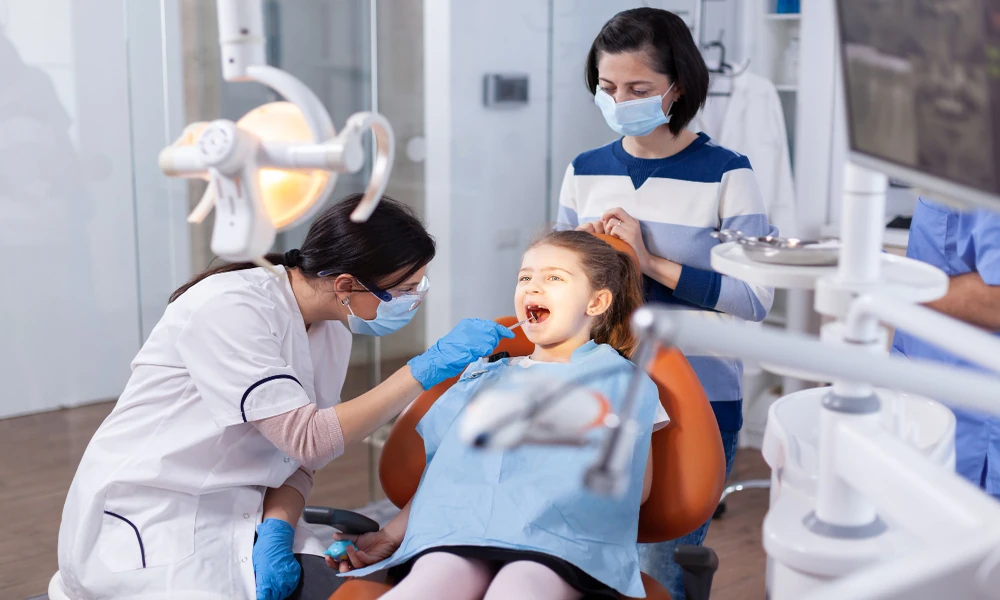
Imagine you bring in a 6 year old who is shy and worried. A rushed exam and technical language will only make things worse. A dentist who understands children might start by showing the child the mirror, letting them touch the toothbrush, and explaining each step in simple, playful words. The visit becomes about building trust, not just checking boxes. Over time, this lowers fear and makes future treatment easier and less stressful for everyone.
Now picture an adult who has not seen a dentist in years. They feel embarrassed and worried about the cost. A caring dentist acknowledges that coming in took courage. Instead of scolding, the dentist focuses on what can be done now. They might break treatment into stages, explain what is urgent versus what can wait, and work with your insurance or budget. This reduces shame and helps you move forward at a pace that feels possible.
Then consider an older adult with dry mouth, multiple medications, or dentures. Their needs are very different from a healthy 30 year old. Issues like gum tenderness, changes in taste, and a higher risk of root decay often show up with age. Resources like the National Institute of Dental and Craniofacial Research guidance for older adults explain how aging affects the mouth. A good family dentist uses this knowledge to adjust cleanings, recommend specific products, and watch for subtle changes that could signal bigger health issues.
Because of these differences, a strong family dental care provider will focus on three core things. Listening to each person’s story. Adjusting treatment plans based on age, health, and comfort. Staying with your family over time so patterns are caught early instead of late.
How does a family dentist’s personalized care compare to “one size fits all” care?
You might still be asking yourself whether it really matters who you see, as long as your teeth get cleaned and treated. The difference often shows up in what happens over the long term. The table below highlights some key contrasts between rushed, generic visits and thoughtful, personalized family care.
| Aspect of Care | Generic / One Size Fits All | Personalized Family Dentist Approach |
|---|---|---|
| Appointment style | Quick, same for every patient, minimal conversation | Time used to ask about health changes, fears, and goals for each family member |
| Prevention focus | Focus on fixing problems after they appear | Prevention is central, including tailored tips like the CDC’s oral health tips for adults |
| Age specific care | Children, adults, and older adults treated in almost the same way | Different strategies for kids, teens, adults, and seniors, including modified exams and home care advice |
| Emotional support | Dental anxiety overlooked or minimized | Anxiety discussed openly, with options like slower pacing, numbing gels, or distraction techniques |
| Chronic conditions | Little connection made between medical history and dental care | Conditions such as diabetes, heart disease, or dry mouth are factored into treatment choices |
| Long term outcomes | Higher risk of surprise problems and emergency visits | Better chance of catching issues early and reducing urgent, painful situations |
When you look at it this way, personalized care is not a luxury. It is often the difference between constantly reacting to problems and slowly building a stable, healthy routine for your whole family.
What practical steps can you take to support personalized care at home?
Even with a thoughtful dentist, a lot of your oral health happens in your daily life. The good news is that you do not need fancy tools to make a difference. You only need a few clear habits that fit your reality.
For adults and older adults, simple routines like brushing with fluoride toothpaste twice a day, flossing, and watching for changes in your mouth matter more than most people realize. The National Institute on Aging has a helpful guide on taking care of your teeth and mouth as you age that many families find reassuring. You can share resources like this with your dentist and use them to shape questions during your visit.
Three steps you can start today to get more personalized family dental care
1. Share your full story, not just your symptoms
When you schedule or arrive for a visit, take a moment to share more than “my tooth hurts” or “we are here for a cleaning.” Mention medical conditions, medications, big life changes, and fears. For example, “I have started a new blood pressure medication and my mouth feels dry” or “my child is afraid because of a past bad experience.” This gives your family dentist the information needed to adjust treatments, timing, and even the language used with each person.
2. Ask for a simple, staged plan instead of a long to do list
If you or a family member need several treatments, it can feel overwhelming. Rather than trying to hold it all in your head, ask for a written or clearly explained plan. You might say, “Can you help me understand what needs to happen first, what can wait, and how we might spread this out financially.” A thoughtful family dental provider will respect your limits and work with you on timing, which makes it much easier to follow through.
3. Make prevention a family routine, not a personal burden
Instead of each person trying to remember everything alone, turn oral care into a simple family habit. For younger children, brush together and make it a short, predictable routine. For teens, connect dental habits to what matters to them, like fresh breath or sports performance. For adults and older adults, set reminders for checkups and cleanings, especially if memory or busy schedules get in the way. When everyone participates, personalized care at the office has a stronger foundation at home.
Where do you go from here?
If you are feeling behind or worried about your family’s teeth, you are not alone. Many people carry quiet guilt about missed visits or dental problems that have built up. The important thing is not how long it has been. The important thing is that you are thinking about it now.
A caring family dentist will meet you where you are, not where you think you “should” be. With honest conversation, small steady steps, and a focus on each person’s specific needs, your family can move from reacting to problems to feeling more in control and supported.
You do not have to fix everything at once. Start by choosing one small action. Schedule that checkup you have been putting off. Ask for a plan that fits your life. Share your concerns openly. From there, personalized care can start to take shape, one visit and one conversation at a time.