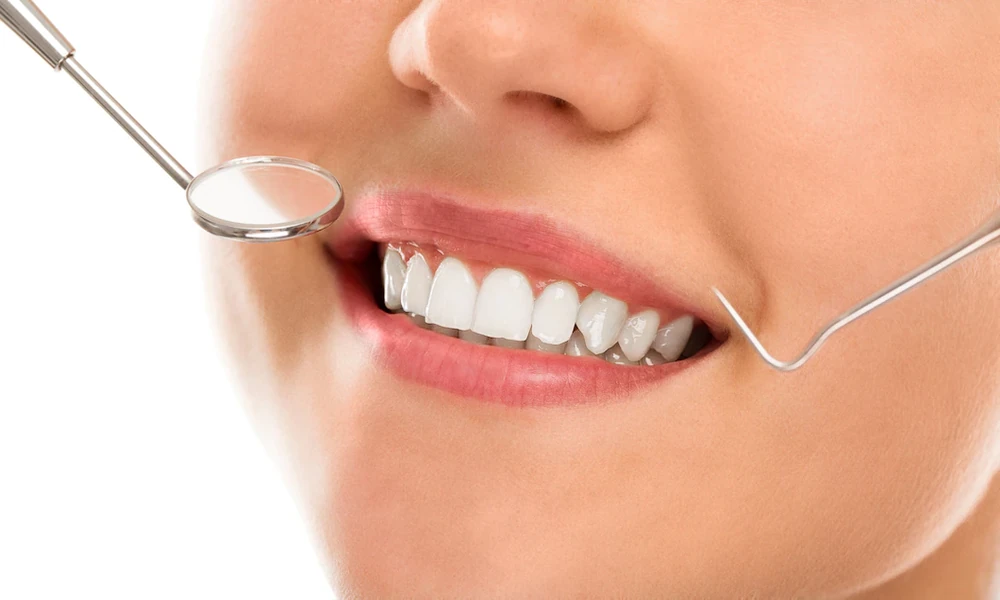

You can have the right shade, the right shape, and a technically strong restoration, then still look at your smile and feel that something is off. That reaction is common. Most people notice teeth first, but your gums set the frame. If the gumline sits unevenly, looks puffy, pulls back, or covers too much tooth, a dentist in Albany, GA can help; crowns, veneers, bonding, and implants can all look less natural than you hoped.
That is the core issue. Cosmetic and restorative results do not depend on teeth alone. Gum tissue affects symmetry, proportion, how much tooth shows when you smile, and how long dental work lasts. A skilled cosmetic and restorative dentist pays close attention to this balance, because the pink tissue around the teeth is part of the final design, not an afterthought.
Gum tissue shapes the look and lifespan of restorative dentistry
When gum tissue is healthy and well positioned, it creates clean lines around each tooth. That matters in simple cases, like replacing an old filling on a front tooth, and in larger cases, like veneers or implant crowns. If one gum margin sits higher than the one next to it, two similar teeth can suddenly look different in length. If the tissue is inflamed, even a beautiful crown can seem bulky or unnatural.
You may have seen this without knowing why it stood out. A crown can match the color of the next tooth almost perfectly, yet the smile still looks uneven because the gumline does not match. In cosmetic work, people often focus on the porcelain. In reality, the role of gum tissue in framing restorative and cosmetic work is just as visible.
Health comes first because unhealthy gums change over time. Bleeding, swelling, recession, and bone loss can expose restoration margins, create dark spaces between teeth, and make food trap more often. Research on periodontal and restorative relationships has shown that gum health and restoration design affect each other closely, especially where margins meet the soft tissue. You can read more in this review on periodontal considerations in restorative treatment.
Uneven gums can make good dental work look wrong
This is where frustration builds. You invest time and money into your smile, then the result looks slightly off in photos or under bright light. Maybe one front tooth seems shorter. Maybe the gums look thick around a veneer. Maybe an implant crown feels like it sits in the right place, but the tissue around it does not blend with the natural teeth.
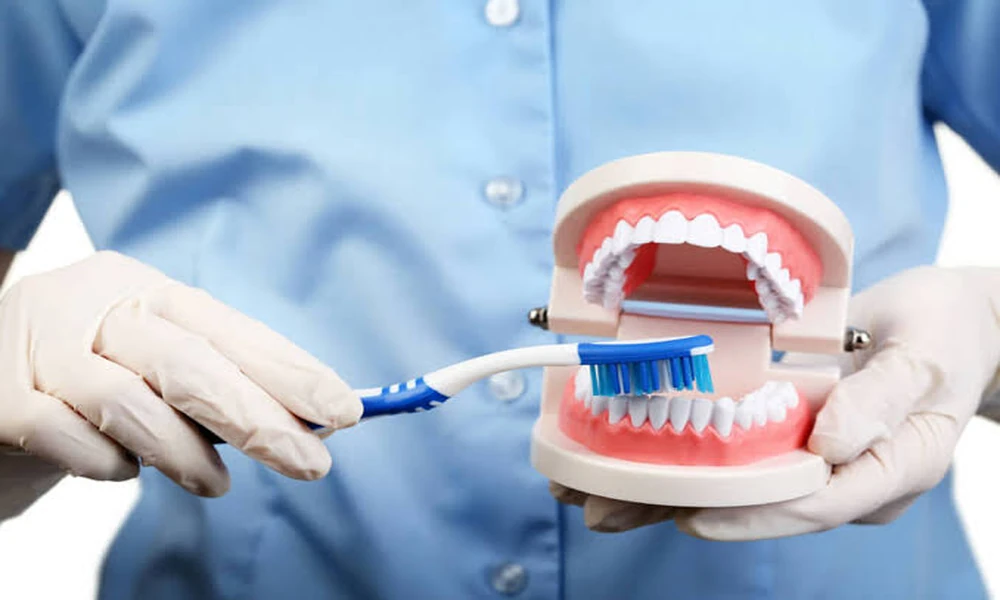
These problems are not always caused by poor dental work. Sometimes the issue is biology. Gum tissue responds to inflammation, brushing habits, bite forces, old restorations, and the shape of the bone underneath. If you clench, if you have had gum disease, or if an older crown was placed too deep under the tissue, the gums may already be under stress before cosmetic treatment begins.
That is why smile design should include the gumline from the start. In some cases, the answer is better hygiene and a period of healing before any cosmetic work begins. In other cases, reshaping the gumline, adjusting restoration contours, or planning around recession leads to a more natural result. This is the heart of gum contour in cosmetic dentistry. It is not about chasing perfection. It is about creating proportion that looks believable on your face.
Clinical literature also supports this approach. Soft tissue contours strongly influence esthetics around natural teeth and implants, especially in the front of the mouth where small asymmetries are easy to see. This article on soft tissue esthetics and restorative outcomes explains how tissue form affects smile harmony and long term appearance.
Practical differences between tooth focused treatment and gum aware planning
When treatment planning ignores the gums, the work may still function, but the final appearance can miss the mark. When the gums are evaluated first, the result often looks more natural and tends to remain stable longer.
| Approach | What It Focuses On | Common Short Term Result | Common Long Term Risk |
|---|---|---|---|
| Tooth focused planning only | Shade, tooth shape, material choice | Teeth may look improved, but gumline may still appear uneven | Visible margins, recession, puffiness, mismatched symmetry |
| Gum aware smile planning | Gum health, tissue levels, tooth proportions, margin placement | More balanced smile and cleaner transitions around restorations | Better tissue stability and a lower chance of esthetic disappointment |
| Implant planning without soft tissue management | Replacing missing tooth structure | Functional implant with acceptable bite | Flat or uneven tissue around the implant crown, visible mismatch |
| restorative and cosmetic dental work with tissue management | Support for papilla, contour, and smile line | Restoration blends better with nearby teeth | Greater esthetic stability when home care is strong |
Small tissue details often explain big cosmetic concerns
A person with short looking front teeth may not need longer veneers. They may need excess gum tissue reduced carefully. A person with exposed crown edges may not need all new crowns right away. They may need gum inflammation treated first, followed by a reassessment. Someone replacing a missing front tooth may need tissue shaping around an implant so the new tooth does not look flat or isolated.
This is why a generic treatment plan can disappoint. Two people can ask for the same cosmetic change and need completely different solutions because their gum tissue tells a different story.
Three steps you can take before committing to cosmetic dental work
1. Ask for a gum and smile line evaluation. Do not limit the conversation to tooth color and material. Ask whether your gum levels are even, whether there is inflammation or recession, and whether the tissue needs treatment before the restorative phase begins.
2. Get the gums healthy before final restorations. If your gums bleed when you floss, feel tender, or look swollen, pause cosmetic treatment until that is addressed. Healthy tissue gives your dentist a stable foundation and a more accurate view of the final shape.
3. Ask to see the plan for tissue contours. This matters for veneers, crowns, and implants, especially in the front teeth. Ask how the restoration margins will sit near the gums, whether gum reshaping is recommended, and how the final smile will look when the tissue heals.
A natural smile depends on more than the teeth
If your past dental work has looked slightly off and you could never explain why, the gums may be the missing piece. The frame around your teeth affects beauty, balance, and durability more than most people realize. When gum tissue is respected during planning, cosmetic results tend to look calmer, cleaner, and more like they belong to you.
If you are considering treatment with a cosmetic and restorative dentist, ask for a plan that includes the gums from the beginning. That one step can change the entire result.